A cancer diagnosis changes a lot of things, and life insurance is one of them. But it doesn't always rule you out. Many people who have finished treatment, and some who haven't, still have options.
The biggest question companies ask is about timing: when was your last treatment?
What companies look at
Time since your last treatment
Most final expense applications ask about cancer treatment in the last two or three years. Once you are past that window with no recurrence, more plans open up.
Type and stage
Some cancers caught early are looked at very differently from cancers that spread. Companies usually ask about the type and whether it spread.
Current treatment
If you are in chemotherapy, radiation or other active treatment today, most companies will offer only a guaranteed acceptance plan for now.
Recurrence
A cancer that came back, or more than one cancer, is looked at more closely.
The rest of your health
Heart, lung and other conditions, plus tobacco, are looked at together with your cancer history.
Many applications don't count basal cell or squamous cell skin cancer in their cancer questions. Read the question carefully, or ask me.
What it usually means for your coverage
| Your situation | What it often means |
|---|---|
| In active treatment now | Guaranteed acceptance is usually the option today. Many people add a fully covered plan later. |
| Finished treatment within the last two years | Often a graded or guaranteed plan for now. |
| Two to three or more years since treatment, no recurrence | Many final expense plans may offer full coverage from day one. |
| Several years cancer-free | Term and larger permanent policies may be possible, depending on the type and stage. |
These are general patterns. Each company sets its own lookback periods, which is why the same history can get different answers.
A plan for now, a better plan later
If you are in treatment or just finished, a guaranteed acceptance plan can get coverage in place today. It has a waiting period, often two years, before the full benefit pays for a death from natural causes. Once you pass the lookback period on other plans, you may qualify for full coverage and can decide whether to keep both or switch. Never cancel a policy until the new one is approved and in force.
Before you apply
Know your dates
Diagnosis date, type, stage, and the date of your last treatment. These decide which plans you can answer yes or no to.
Keep your medication list handy
Including anything you still take after treatment.
Don't stop at the first no
One company's decline or graded offer can be another company's full coverage. That's the main reason to work with an independent agent who checks several companies at once.
Answer honestly
If the application isn't accurate, the company may have grounds to deny the claim later, which is the one thing your family can't afford.
Had cancer and want to know your options?
Tell me the type and when you finished treatment on a free call. I'll compare several companies and tell you honestly what fits now, and what might fit later. Licensed in Arizona. By phone or video, no obligation.
Common questions
Can I get life insurance after cancer?
Often, yes. Timing matters most. Many final expense plans look at cancer treatment in the last two or three years. Past that, with no recurrence, more options open up.
Can I get life insurance while I am in cancer treatment?
Usually only a guaranteed acceptance plan. It has no health questions and a waiting period before the full benefit pays for natural causes.
Does skin cancer count?
Many applications exclude basal cell and squamous cell skin cancer from their cancer questions. Melanoma usually counts. Read each question carefully.
How long after cancer can I get term life insurance?
It depends on the type and stage. Some early-stage cancers may qualify after a few years. Others take longer. A company-by-company check is the only way to know.
Should I wait until I am further from treatment?
Not necessarily. A guaranteed plan can protect your family now, and you can apply for full coverage once you qualify. Prices also go up with age.
What if I don't live in Arizona?
I'm licensed in Arizona today and adding more states soon. Send a quote request anyway and I'll let you know as soon as I can help in your state. In the meantime, the free guide walks you through how much coverage you need.
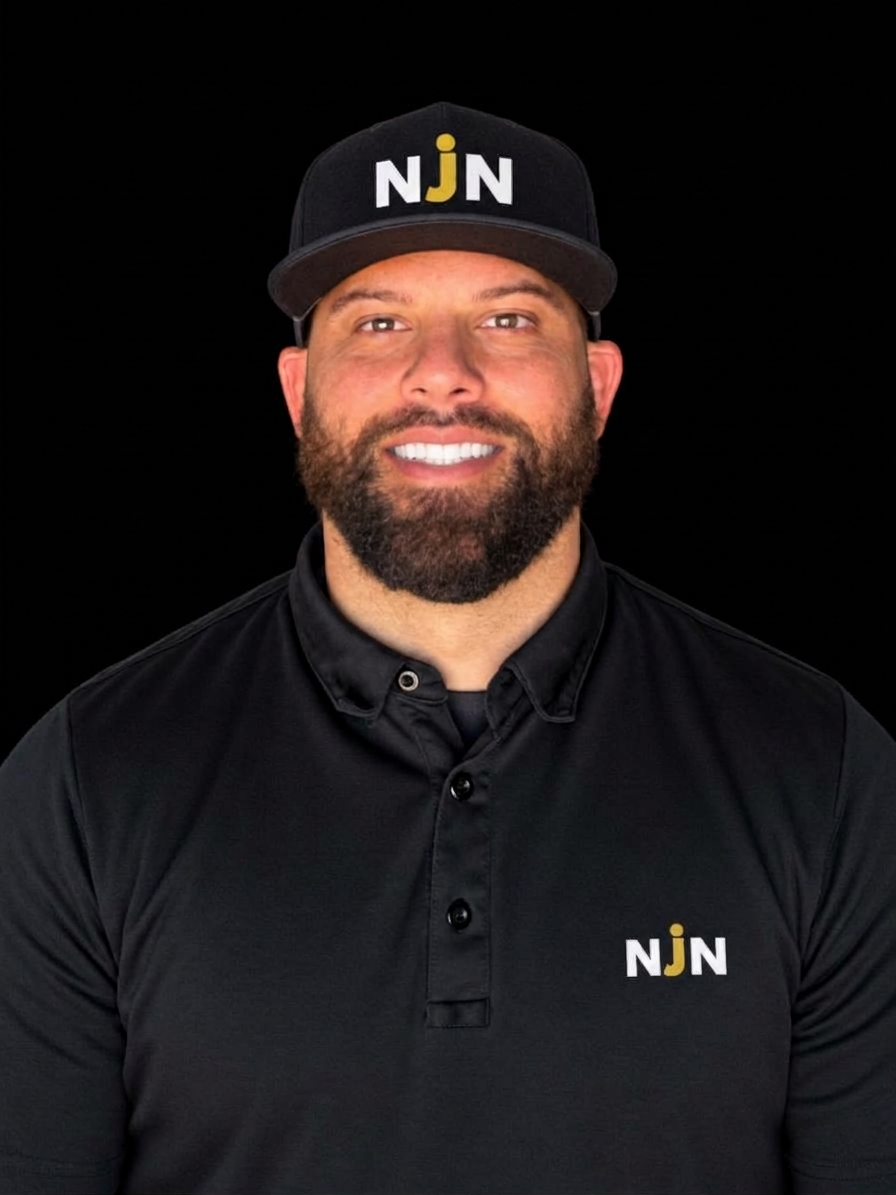
Nick Brown is an independent life insurance agent with NJN Insurance, licensed in Arizona (License 19720244). He compares plans from several companies and explains them clearly. NJN stands for Not Just a Number.